


Media has a big role in our society where people can communicate and deliver information directly. The term media comes from the word medium which is defined as “channel” “means” or “method”. It includes every broadcasting and narrowcasting medium such as newspapers, magazines, TV, radio, billboards, direct mail, telephone, fax, and internet.
MASS MEDIAor the media that reach large audiences. The technologies through which this communication takes place include a variety of outlets. Broadcast media transmit information electronically via media such as films, radio, recorded music, or television are examples of it.
FORMS OF MEDIA
PRINT MEDIA
It refers to paper publications like newspapers, books, magazines, newsletters and journals. Before the invention and widespread use of printing presses, printed materials had to be written by hand. It was a painstaking process that made mass distribution impossible.
BROADCAST MEDIA
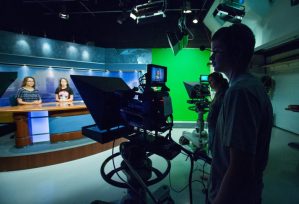
It includes radio and television — media that initially used the airwaves to reach their audience.NEW MEDIA
New media is used to describe content made available using different forms of electronic communication made possible through the use of computer technology. Generally, the phrase new media describes content available on-demand through the Internet
Why is it necessary to be a media and information literate?
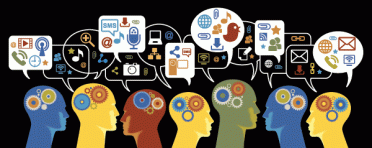
Media and Information Literacy recognizes the primary role of Media and Information in our everyday lives. The purpose of being an Information and Media Literate is to engage in a digital society where one needs to be able to use, understand, inquire, create, communicate and think critically.
It is important to have the capacity to effectively access, organize, evaluate, and create messages in a variety of forms. Information and Media Literacy enables people to interpret and make informed judgments as users of information and media as well as to become skillful creators ad producers of information and media messages in their own right.
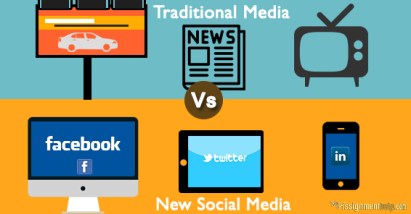
TRADITIONAL MEDIA VS NEW MEDIA
-
TRADITIONAL MEDIA

It refers to mediums that are part of our culture for over half a century. These forms include television, radio, print advertisements, and billboards.
-
NEW MEDIA

New media is the digital media channels that take place in the lives of individuals with the development of information and communication technologies. These include internet, mobile applications, social media
 Ana's
Ana's 